

How Screen Time Is Changing Kids’ Eyes and What Actually Helps Slow Myopia Progression
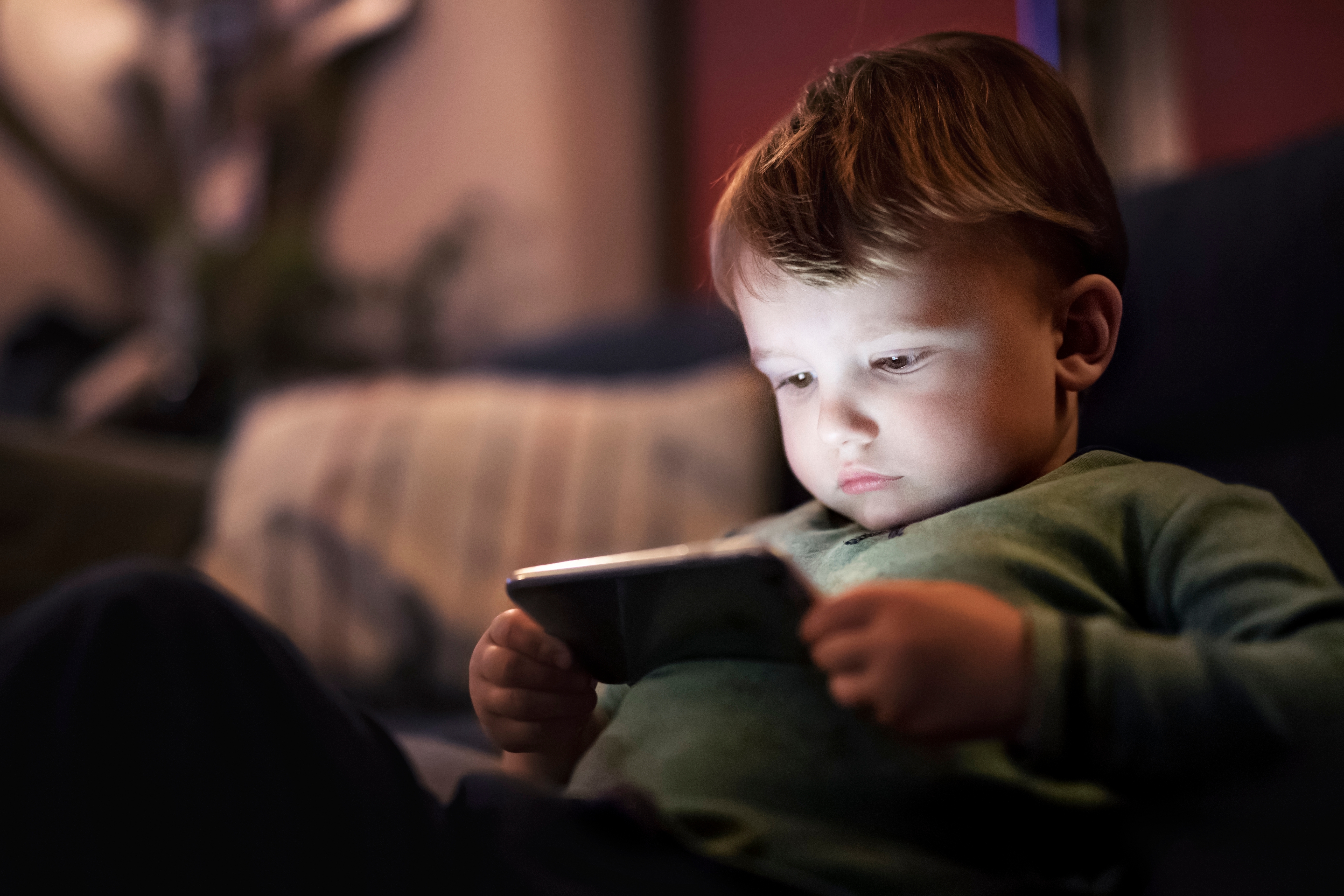
Screens are part of daily life for many children in Sandy, UT. Between schoolwork, tablets, phones, gaming, and streaming, kids are spending more time focusing up close than ever before. While screen time alone does not explain every case of nearsightedness, long hours of near work and limited outdoor time can contribute to visual strain and may play a role in myopia progression.
At InVision Eye Health in Sandy, myopia management focuses on helping children see clearly while also addressing how quickly nearsightedness may worsen over time. If your child’s prescription keeps getting stronger, it may be time to ask what can actually help slow myopia progression.
What Is Myopia?
Myopia, also called nearsightedness, means distant objects look blurry while close-up objects are easier to see. Children with myopia may struggle to see the board at school, road signs, sports fields, or objects across the room.
Myopia usually develops when the eye grows too long from front to back. This causes light to focus in front of the retina instead of directly on it. Glasses or standard contact lenses can correct blurry vision, but they do not always slow the eye growth that causes the prescription to increase.
Why Screen Time Matters
Children often hold screens close to their faces for long periods. This keeps the eyes focused at a near distance and can reduce how often kids look far away. Over time, heavy near work may add to visual stress, especially when paired with little outdoor time.
For families in Sandy, winter weather, busy schedules, homework, and indoor entertainment can make screen use even harder to manage. The goal is not to eliminate screens completely. The goal is to create healthier habits and monitor whether your child’s vision is changing.
Signs Your Child’s Myopia May Be Progressing
Children may not always tell parents when their vision changes. They may assume blurry distance vision is normal. Watch for signs such as:
- Squinting to see far away
- Sitting close to the TV or holding devices close
- Complaining of headaches or tired eyes
- Trouble seeing the board at school
- Avoiding sports or distance-based activities
- Rubbing eyes after reading or screen use
- Needing a stronger prescription each year
- Blurry vision when looking up from near work
If you notice these symptoms, a comprehensive eye exam can help determine whether your child’s prescription has changed.
Why Higher Myopia Is A Bigger Concern
Myopia is not just about needing glasses. As myopia becomes stronger, the eye may face a higher risk of certain eye health concerns later in life, including retinal problems, glaucoma, cataracts, and myopic macular changes. This does not mean every child with myopia will develop these problems, but it does make early monitoring important.
Slowing myopia progression during childhood may help reduce how high the prescription becomes over time. That is why more Sandy parents are asking about myopia control instead of simply updating glasses each year.
What Actually Helps Slow Myopia Progression?
Myopia management uses specific treatments designed to slow worsening nearsightedness. The right option depends on your child’s age, prescription, eye health, lifestyle, and rate of progression.
Common myopia control options may include specialty soft contact lenses, orthokeratology, also known as Ortho-K, low-dose atropine eye drops, or other lens designs created for myopia management. Ortho-K lenses are worn overnight to gently reshape the cornea, allowing clearer daytime vision without glasses or daytime contacts. Specialty soft lenses can correct vision while helping manage how light focuses in the eye.
Building Healthier Screen Habits
Daily routines still matter. Encourage regular breaks from screens, better lighting, good posture, and more outdoor time. A simple rule is the 20-20-20 habit - every 20 minutes, have your child look at something about 20 feet away for 20 seconds. This gives the focusing system a short rest and helps reduce screen-related eye strain.
Outdoor time is also important. Activities such as walking, biking, sports, playground time, or simply spending time outside can help balance long periods of close-up work.
Why A Pediatric Eye Exam Is The First Step
A school screening may catch blurry distance vision, but it is not the same as a comprehensive eye exam. An exam at InVision Eye Health can measure your child’s prescription, evaluate eye health, and determine whether myopia management is appropriate.
If your child’s screen time has increased or their prescription keeps changing, summer break or the back-to-school season is a smart time to schedule a visit. Early care gives your optometrist more opportunity to help slow myopia progression while your child’s eyes are still developing.
Schedule your child’s myopia evaluation with InVision Eye Health, located at 10835 700 E, Sandy, UT 84070. Call (801) 495-2020 to book your appointment.

All Eye
Care Services

Keep
In Touch

Our Services
Contact Info
Hours of Operation
- Monday 8:00am - 5:00pm
- Tuesday 9:00am - 6:00pm
- Wednesday 10:00am - 6:00pm
- Thursday 8:00am - 5:00pm
- Friday 7:30am - 4:00pm
- Saturday Closed
- Sunday Closed
© 2026 InVision Eye Health. All rights Reserved. Accessibility Statement - Privacy Policy - Terms & Conditions - Sitemap
Powered by:
