Why Your Scleral Lenses or Contact Lenses Feel Drier and What You Can Do to Improve Comfort
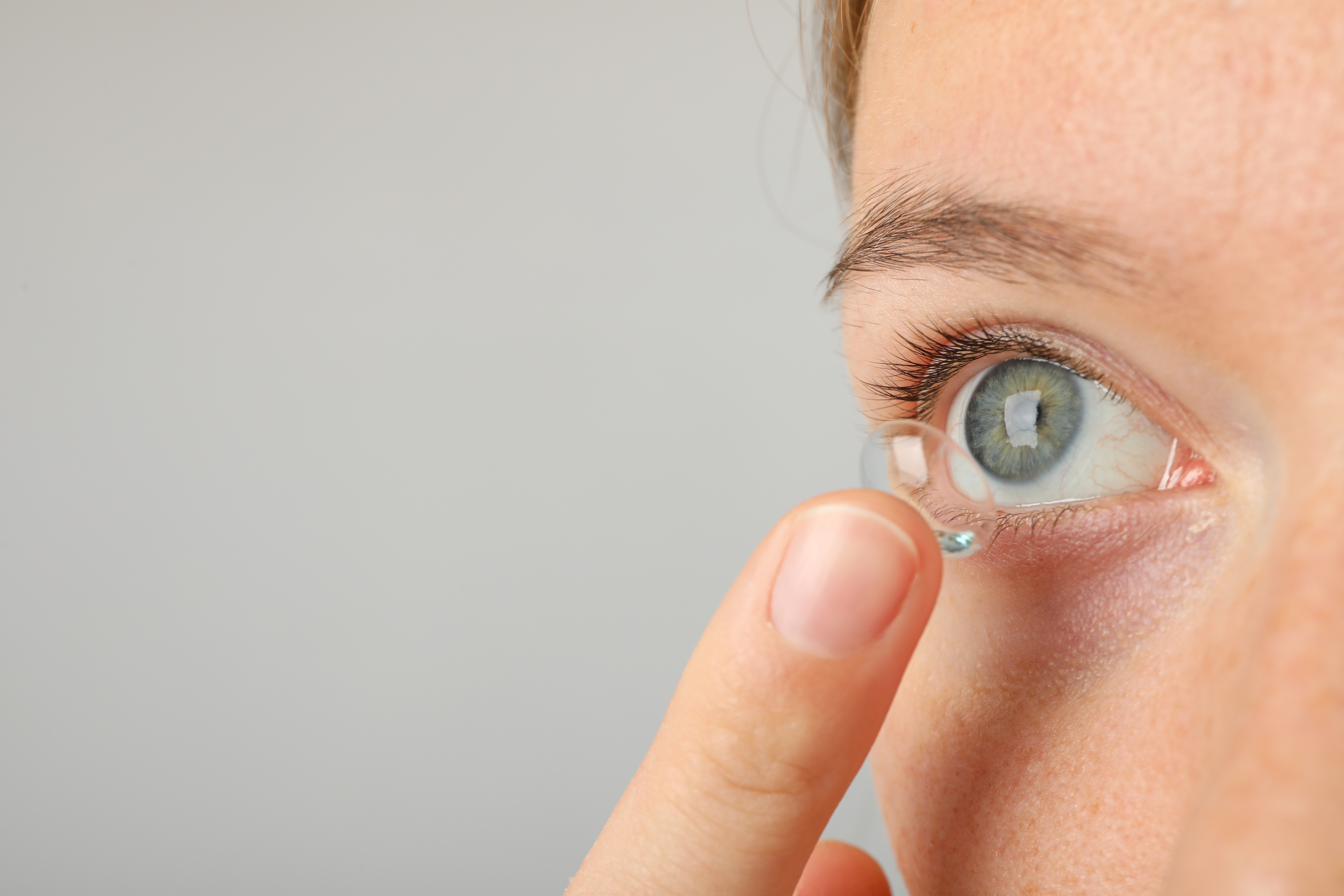
Contact lenses should provide clear vision without constant irritation, but some wearers notice their eyes becoming increasingly dry throughout the day. Even scleral lenses, which are designed to help maintain moisture, can sometimes cause discomfort. At InVision Eye Health in Sandy, UT, we help patients identify why their lenses feel dry and find solutions that improve comfort and support long-term eye health.
Why Do Regular Contact Lenses Start Feeling Dry?
Soft contact lenses rely on a healthy tear film to remain comfortable. When your tears evaporate too quickly or your eyes don't produce enough moisture, lenses may begin to feel gritty, tight, or irritating.
Several factors can contribute to contact lens dryness, including prolonged screen time, reduced blinking, dry environments, and meibomian gland dysfunction (MGD). MGD occurs when the oil-producing glands in your eyelids become blocked or don't function properly, allowing tears to evaporate faster. An outdated prescription, poor lens fit, or sensitivity to contact lens solutions can also contribute to discomfort.
Why Can Scleral Lenses Feel Dry or Uncomfortable?
Scleral lenses differ from traditional contact lenses because they vault over the cornea and rest on the white part of the eye. They create a fluid-filled reservoir that helps protect the cornea and maintain moisture.
However, scleral lens wearers can still experience dryness or irritation. The outer surface of the lens may become dry due to poor tear film stability, deposits, or reduced surface wettability. Some patients also experience midday fogging, where debris accumulates in the fluid reservoir, causing cloudy vision. This can sometimes be mistaken for dryness.
If your scleral lenses become uncomfortable after several hours, the issue may involve lens fit, surface deposits, or an underlying dry eye condition.
How to Improve Scleral Lens and Contact Lens Comfort
Making a few adjustments to your daily routine may help reduce irritation and improve how your lenses feel.
• Take regular screen breaks: Blink fully and frequently while using computers or phones to help maintain a healthy tear film.
• Use appropriate lubricating drops: Ask your eye doctor about preservative-free rewetting drops compatible with your specific lenses.
• Follow proper lens care: Clean and disinfect lenses using recommended products. For scleral lenses, use only the prescribed sterile, preservative-free filling solution.
• Avoid overwearing your contacts: Follow your recommended wearing schedule and give your eyes breaks when needed.
• Schedule a contact lens fitting evaluation: An improper fit can contribute to dryness, irritation, and fluctuating vision.
Never use tap water to clean, rinse, or fill contact lenses, including scleral lenses.
When Dry Eye Treatment May Improve Contact Lens Comfort
If your lenses continue to feel dry despite proper care, the underlying issue may be related to your tear film rather than the lenses themselves. At InVision Eye Health, we evaluate the ocular surface, tear quality, and meibomian gland function to identify contributing factors.
Depending on your needs, we may recommend personalized dry eye treatments, including LipiFlow, intense pulsed light (IPL) therapy, or other options designed to improve tear film stability. We can also assess whether adjustments to your current contact lenses or scleral lenses may improve comfort. Persistent irritation should not be ignored.
If your scleral lenses or contact lenses are becoming uncomfortable, schedule an eye exam with InVision Eye Health to learn how we can help improve your contact lens comfort. Visit our office in Sandy, UT, or call (801) 495-2020 to book an appointment today.



Our Services
Contact Info
Hours of Operation
- Monday 8:00am - 5:00pm
- Tuesday 9:00am - 6:00pm
- Wednesday 10:00am - 6:00pm
- Thursday 8:00am - 5:00pm
- Friday 7:30am - 4:00pm
- Saturday Closed
- Sunday Closed
© 2026 InVision Eye Health. All rights Reserved. Accessibility Statement - Privacy Policy - Terms & Conditions - Sitemap
Powered by: